I am a writer, designer, interactive strategist, user experience guru, branding expert, and actor who uses story as a tool to design interactive experiences and create engaging entertainment.

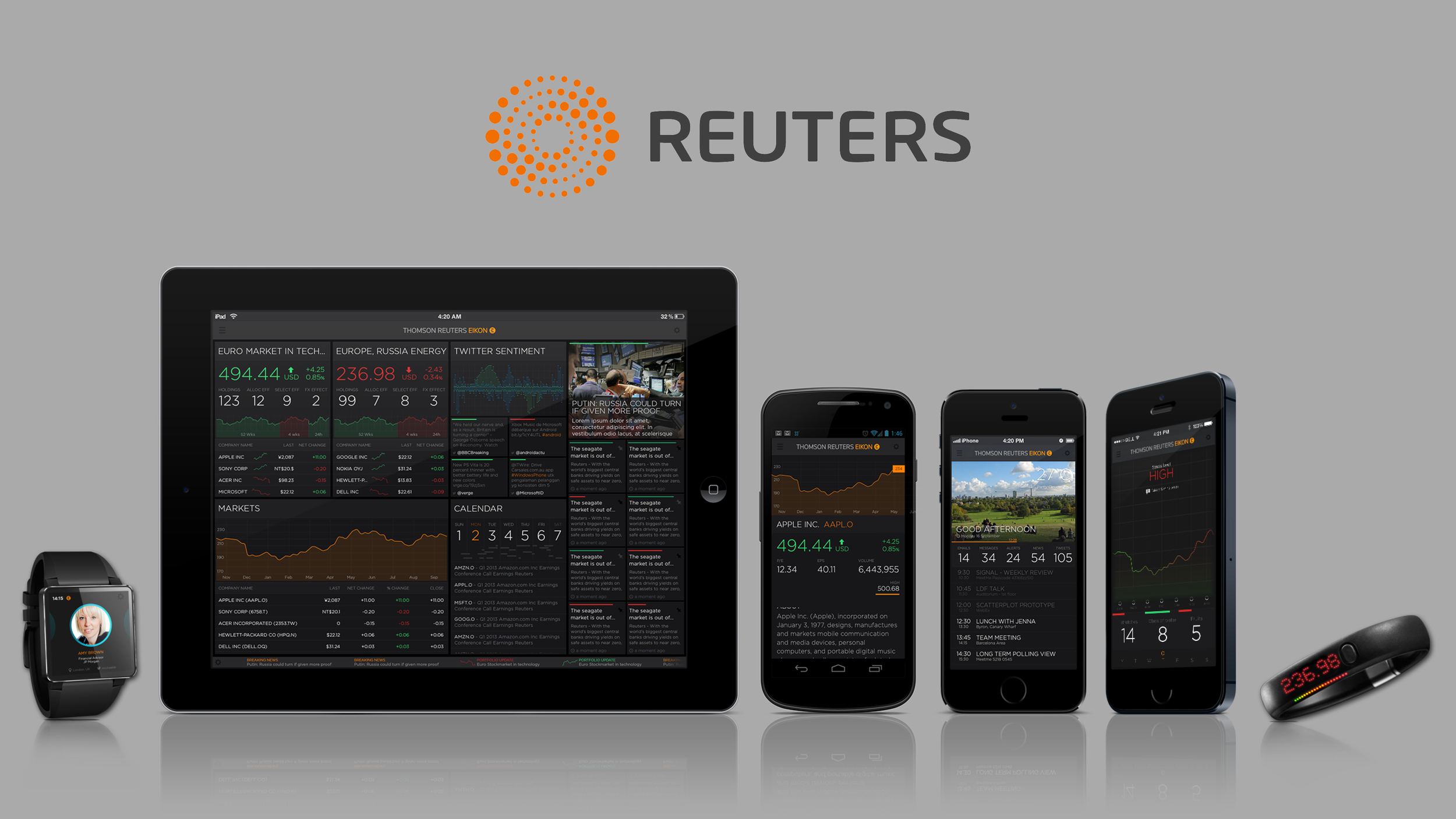
For more than 15 years I’ve worked in diverse creative and leadership roles on cutting edge projects for companies such as ABC News, The BBC, Coca-Cola, ESPN, Reuters, Viacom and Vogue, helping them to define narratives for compelling customer experiences.
My success in helping companies achieve their unique goals comes from my underlying passion for creating wicked cool entertainment, from some of the best direct-to-video horror films to come out of the 1990s to award-winning commercial campaigns for ILM commercial productions and EIDOS, from webisodes such as Teen Nick’s “Exit Strategy“ to the recent feature films “Ghost Club“, “Blood Junkies” and “Resurrection Men”.
I’ve recently co-founded Small Media Extra Large, a hybrid agency with interactive, social media, and video production capabilities that creates captivating websites, mobile apps, games, web series and advertising.
You have been nominated by several of our readers to publish with us. One of the reasons given for your nomination is:
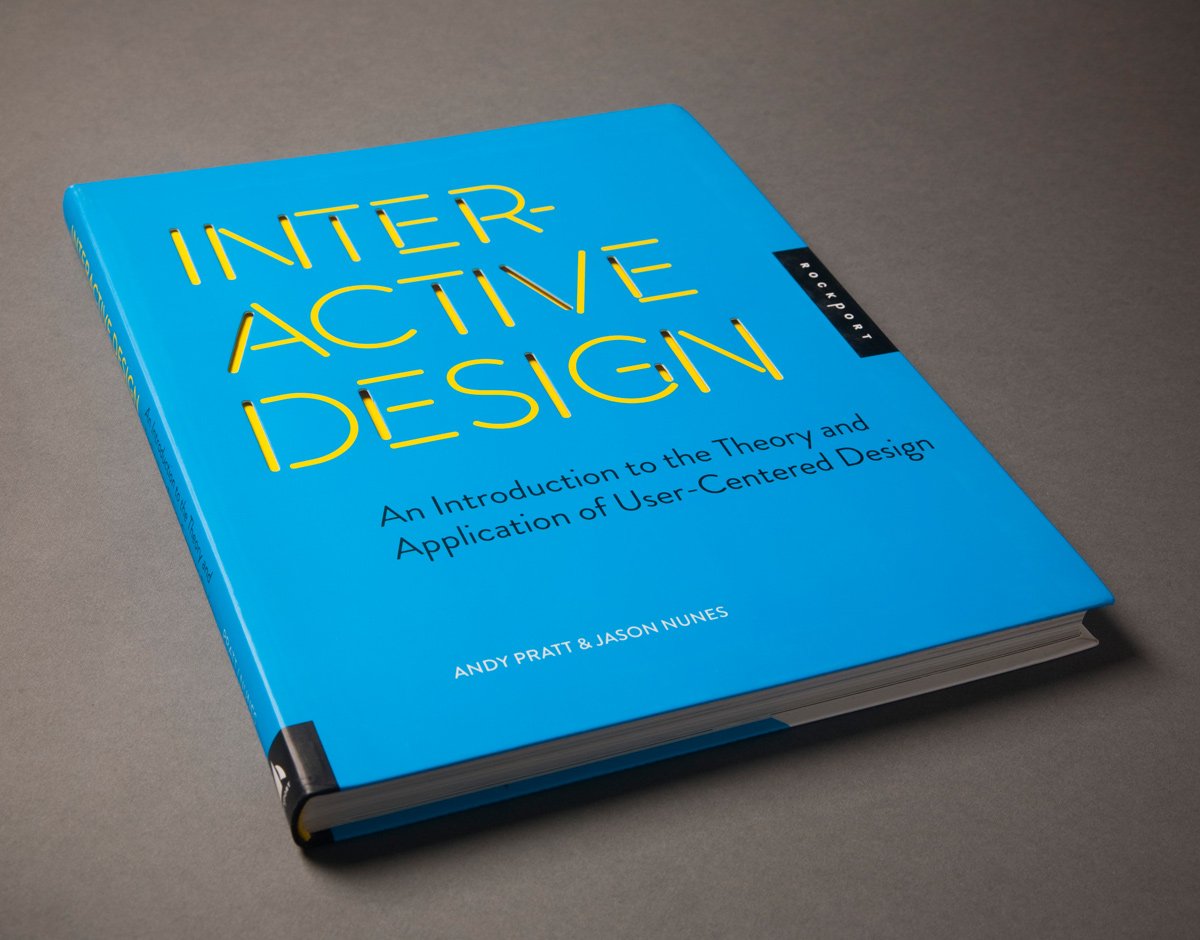
‘Jason Nunes is the co-author of a very inspiring introduction to user centered design’
Like our other authors, you get lots of writing invitations. However, this one is different: We are the first and only Open Access publisher of top-quality books in the world. We offer complete, unrestricted and free access to our books in online version.
Thanks, guys! I’m flattered, and I’m tempted. I like what the organization stands for, and they seem to have published some really interesting ID books from some smart people.
Only problem is, I have no idea what to write.
What do you guys thinks? Are there any UX/ID topics that you find fascinating that you’d like to see a book written about? Product strategy from an ID perspective? ID and physical computing? Something about storytelling across multi-platforms (which I’m loathe to call transmedia)? Branding from an ID perspective?
For those that don’t know what Vine is, it’s basically Twitter for video. You can post a 6 second video of yourself doing anything through (and only through) the Vine iOS app. It’s kludgy, buggy, has upload problems, and is more than a pain in the ass to work with, but it is getting a lot of buzz right now, mostly because of the handful of comedians (Will Sasso, Reggie Watts, Weird Al Yankovich, to name a few) who are using it. For Dawn it was a no-brainer. By creating the very first 6 second resume on Vine, Dawn got her hands on some of that publicity.
First Mashable did a blog post on it:
And now other media companies are following suit:
The Buzzfeed blog post
Business Insider on SFGate
The Grindstone
We’ll see how far this goes, and if it results in Dawn getting her dream job–I wouldn’t be surprised if it did–but from where I’m sitting right now the day after the shoot, the 4 hours of work it took to pull this off was well worth it. Congrats, Dawn, great idea, and we are very happy we could help you make it happen.
Over my long and storied career as a designer, writer, and filmmaker, I’ve taken part in many firsts… the first interactive online webseries, the first zombie movie with a sexy pierced punk rock zombie protagonist, and, of course, all us web 1.0ers have stories of creating the first YouTube, or (in my case) the first Spotify. But it’s very rare you get to brag about it. Today, thanks to a blog post over at Mashable, I get to brag about it!
Just yesterday my SMXL partner, Meghan Scibona and I helped our friend, Dawn Siff (the idea was all her’s), create what could very well be the first resume on Vine. We shot on her iPhone (with my iPhone lenses) against my living room wall. It took plenty of takes to get it right. We fought the sun, recess at the school across the street, the 6 second time limit, and broken light bulbs, but in the end, we got it! I think we’re all super proud of the end product.
The term caught on only in my own brain, where it’s become a handy taxonomic classification for a subgenre that seems here to stay, even in the age of the big-budget, special-effects-laden franchise. The horror genre has always welcomed tinkerers—inventive filmmakers who are interested in taking genre’s conventions apart and fitting them back together in novel ways. If the desired effect of maximum audience creep-out has to be achieved on a minimal budget, so much the better. Artisanal horror directors place a high value on cheapskate ingenuity, the trick of scaring the audience pantsless with the simplest possible effect: an unexpected camera movement, a barely glimpsed shadow, a hand reaching for a doorknob
I’d like to think I got my start in the world of Artisanal Horror though Dana might think differently of the direct-to-video screamers I had the pleasure of working on during the 90s such as Return of the Living Dead III, Necronomicon, Pumpkinhead II, and Leprechaun III. And what I loved about working on them is exactly what she describes here–the need for “cheapskate ingenuity”.
A very young me on the set of Return of the Living Dead III
Sure we worked hellishly long hours, in pretty inhumane conditions, and yup, we did it with very small budgets, and very little pay, but there was nothing more fulfilling, and exciting for me than showing up for work, and instantly diving into the job of creating something cool, creepy, bloody, or bizarre, with the limited resources I had to work with. I’ve always believed there’s nothing better for sharpening creativity than limits.
Sure, what we created didn’t look polished, or even real (case in point, the not quite decapitated head above) but that was the charm of it for me–that cheapskate ingenuity, and the visual style that comes from it. I’ve always loved that about horror films. From Frankenstein to From Beyond. How a filmmaker can create a whole new world, populated with nightmares, just using light, latex, paint, plywood, and shadows. It sends chills up my spine.
Sets from Return of the Living Dead III
And, yes, I’ve had my fling with digital effects as well–working as a broadcast designer for clients like Lucasfilm–but the slick digital, hyper realistic effects never had the same charm for me as the rubber puppet monsters of The Thing, or Reanimator. And those same digital effects made some of my first loves–Star Wars–unwatchable (but that’s a rant for another day.)
You never forget your first love. When I was a little kid, my father introduced me to horror through the original black and white King Kong, and I fell in love. Sure, you could see Harryhausen’s fingerprints all over the fur of King Kong, but that didn’t take away from how terrifying he was, for me it somehow added to it.
So when I decided to write, and produce my own movies, well, I couldn’t help but want to reanimate that feeling of falling in love. That’s why I wrote, produced, and acted in movies like Blood Junkies, and The Ghost Club – Spirits Never Die, and why I’m working on Cryptids, and PDA–feature films that definitely fall squarely on the artisanal horror film spectrum.
I’m just psyched to finally have something to call myself, and what I create.
The folks at The Fox is Black discovered/uncovered/found these photos by Andre Govia, a photographer who breaks into (I’m assuming), and takes photos of abandoned buildings, mine shafts, hospitals, and so on. Each and every one of these photos would be a perfectly dressed, perfectly realized horror film set. Or an amazing place to do an episode of The Ghost Club. What kinds of stories could, would, or did happen here?