I find this fascinating. Emotionally}Vague is a research study about the body and emotion asking how to people feel anger, joy, fear, sadness, and love.
Beautiful diagrams. Interesting insights.
To quote the study:
Emotions can be overwhelming. But not always so. They affect our thoughts and perceptions far more than we realise. It is well established that we are subliminally affected by visual media, and particularly in terms of unconscious emotions, drives and feelings.
I wanted to question how feeling can be experienced in the body, not simply in mind. I believe that we can use familiar tools to express understanding of experience, and not be restricted to the use of photographic stereotypes.
Can people describe their visceral feelings of emotion visually, and if so, would any patterns arise? In order to answer this, I had to develop some way of asking people to reflect on and describe their private feelings in a simple, repeatable manner, the results of which could be correlated visually and demographically.
By gathering concepts of feeling by word, colour and line and creating visual languages for anger, joy, fear, sadness and love – a kind of democratic visual language is created – a backwards-brand.
As a graphic designer, I am attempting to bring attention to the body’s patterns of feeling and innate intelligence in a systematic but playful way.
Over time, this method may be developed into a therapeutic tool, and/or a means of visually representing feeling in an interactive, participatory manner.
Apparently they still have some activity going on in their Connected Life unit:
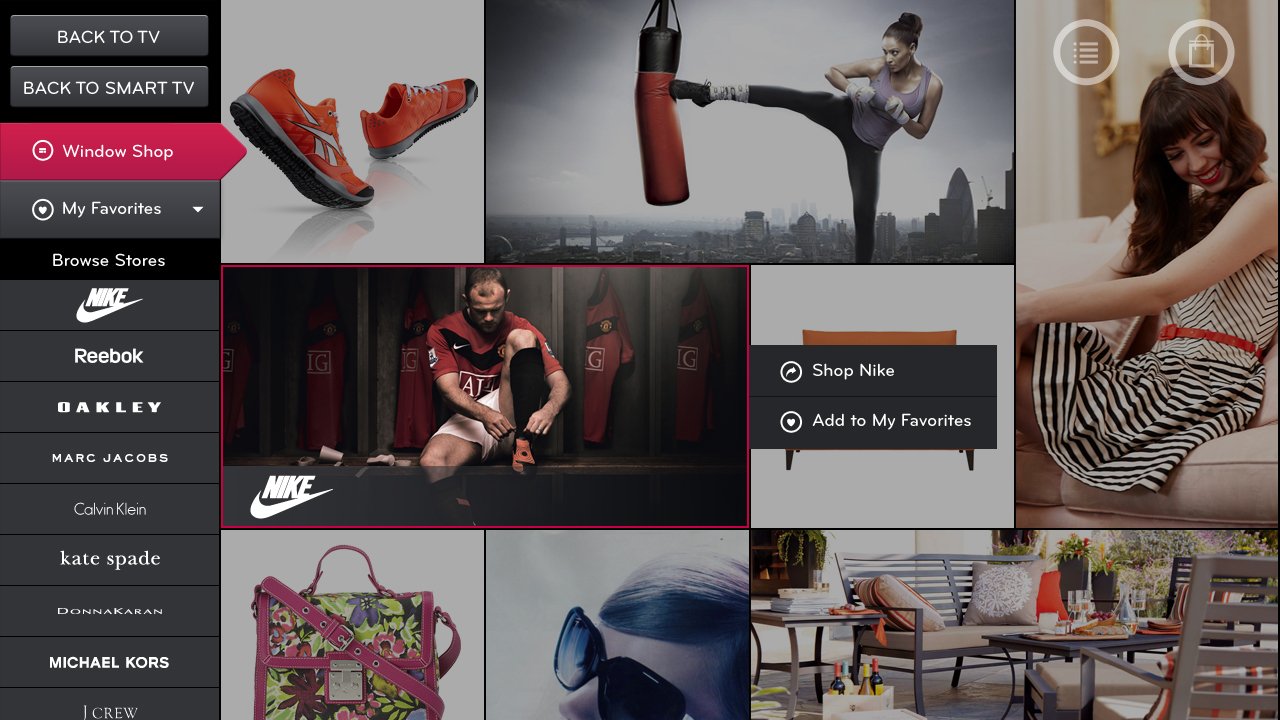
(from Paid Content) Intel (NSDQ: INTC), on its developer day, has previewed plans for the Widget Channel, a TV application framework to bring online apps/widgets onto TV…it has tied up with Yahoo for it, which will supply its “Yahoo Widget Engine”. These will bring content, information and community features available online onto the TV and manageable through the remote control. It will allow integration of services such as Yahoo Finance, Yahoo Sports, Blockbuster (NYSE: BBI) and eBay (NSDQ: EBAY). To help create new Widgets for this, Intel and Yahoo plan to make a development kit available to developers, including TV and other CE device makers, advertisers and publishers. No specific timeline of launch has been released.
I’ve been in love with the concept of flow for quite awhile. It’s something I experience quite often when I’m designing, or writing. I love losing my sense of time, and my connection to the physical.
Well, flow must be reaching its tipping point as a meme, as I’ve been seeing it mentioned everywhere. Mostly as a new measure of happiness, expressed very well in this Ted Talk by Martin Seligman (yeah, yeah, I’m a Ted addict… the first step is to admit you have a problem.)
He’s got some great points, my favorites being (of course) how user experience design that is focused on meeting specific goals or needs, can lead a user into a flow state.
1. Causes of Flow
A clear goal
Immediate feedback on the success of attempts to reach that goal
A challenge you’re confident you have the skills to handle
2. Characteristics of Flow
Total concentration and focused attention
A sense of control over interactions
Openness to new things
Increased exploratory behavior
Increased learning
Positive feelings
3. Consequences of Flow
Loss of consciousness of self
Distortions in the perception of time
Activity is perceived as intrinsically rewarding
As designers, we focus on the elements that precede or cause flow. Users visit sites with pre-existing goals (e.g., finding information about a product). These goals evolve over time as users complete tasks and their attention is drawn to other information. The main elements designers can control are:
Providing immediate feedback
Balancing the perception of challenge against users’ skills